
Bauxite Ore from Pakistan: Grades, Quality Parameters and Industrial Applications
"Bauxite" is a family of materials, not a single product. Two cargoes can both be called bauxite and yet differ in alumina, silica, iron and moisture so much that one suits an alumina refinery and the other only a refractory plant. This article explains how Pakistani bauxite is graded, which quality parameters matter, where it is used and how to match the ore to your process.
It is published on DaaTrade and points readers to Daa Minerals Limited, which lists bauxite ore among its ten mineral product categories.
What the Ore Is Made Of
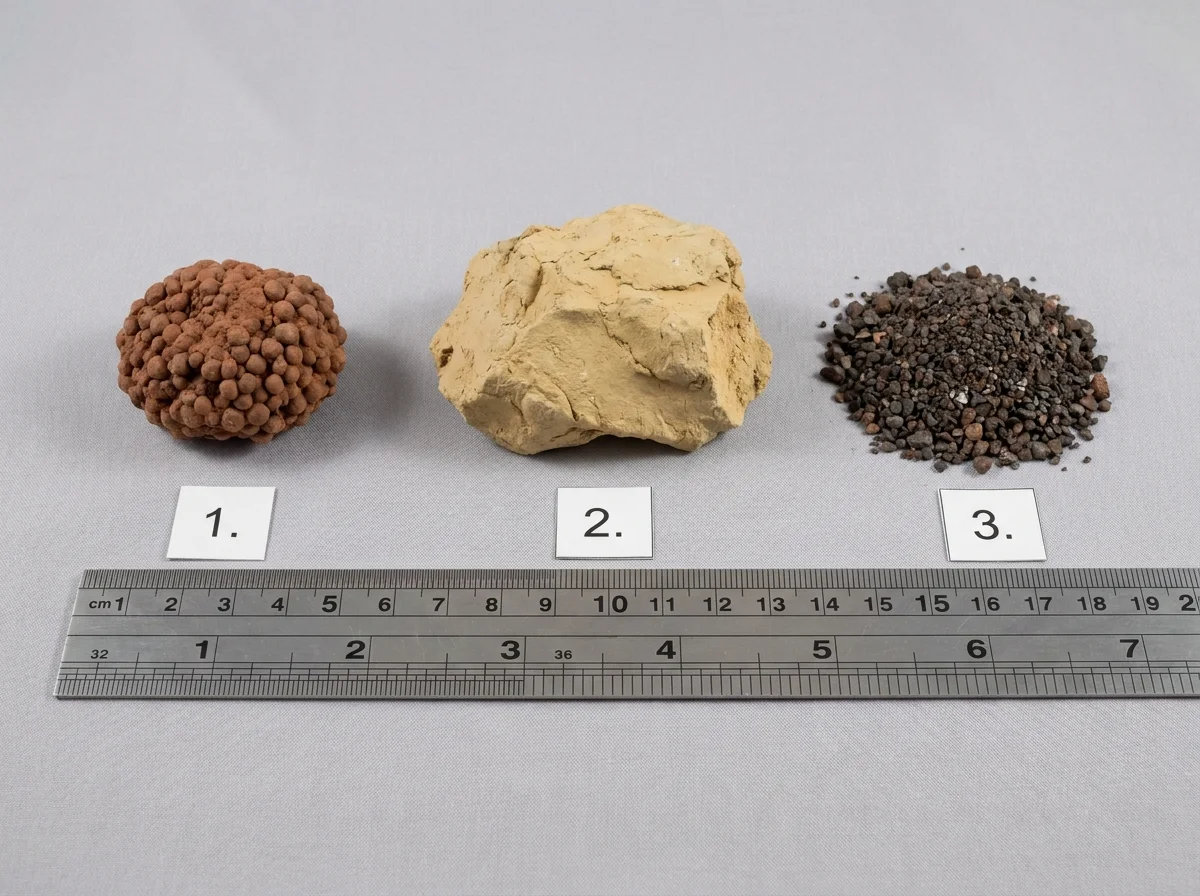
The USGS defines bauxite as a naturally occurring, heterogeneous material composed mainly of aluminium hydroxide minerals, plus silica, iron oxide, titania, aluminosilicates and other impurities. In Pakistan's Salt Range, researchers describe red lateritic and karst bauxites rich in kaolinite, hematite and boehmite, as in a geochemical study of Triassic-Jurassic bauxites. Early PCSIR work on high-alumina bauxitic clays found very high boehmite proportions (70 to 75%) and calcined alumina contents of 70 to 80%.
Reading Grade Claims
Alumina content is the headline number. Daa Minerals' company profile lists 45 to 60% Al2O3 for bauxite ore, and the company's website frames grade as buyer-defined and subject to source review. Use that range as an indicative starting point. Ask whether the figure is total alumina or available alumina, whether it is on a dry or as-received basis and which test method it uses.
The Parameters That Decide Suitability
Reactive silica, critical for Bayer-process refineries because it consumes caustic soda
Total silica and the alumina-to-silica ratio
Iron oxide, titania and loss on ignition
Moisture, which affects freight cost and handling
Particle size, which affects feeding and reaction behaviour
Lot consistency
Daa Minerals notes that bauxite is reviewed around alumina, silica, iron, moisture, sizing and preparation, and that testing scope should match the buyer's requirement. State your own limits for each parameter in the enquiry.
Where Bauxite Is Used
Daa Minerals lists aluminium production, refractories, cement, abrasives and chemicals among the applications. Here is how those uses typically work.
Alumina and aluminium
The USGS says that roughly 85% of world bauxite production feeds the Bayer process, after which most alumina becomes aluminium by electrolytic reduction. Its Mineral Commodity Summaries 2026 notes that bauxite is the only raw material used for alumina on a commercial scale. Refineries are demanding customers and typically specify tight silica limits and large, regular volumes.
Refractories
Calcined bauxite is a key raw material for high-alumina refractory bricks and monolithics used in steel, cement and glass furnaces. The USGS notes that silicon carbide and alumina-zirconia can substitute for bauxite in some refractory uses, so refractory buyers are price-sensitive and quality-sensitive. High-boehmite Salt Range material reported by PCSIR points to this segment as a natural fit.
Cement, abrasives and chemicals
Cement makers use bauxite as an alumina corrector in clinker, abrasive producers use it for fused alumina, and chemical manufacturers use it for aluminium compounds. These buyers often accept wider silica ranges but still need consistent alumina and iron.
Preparation and Material Form
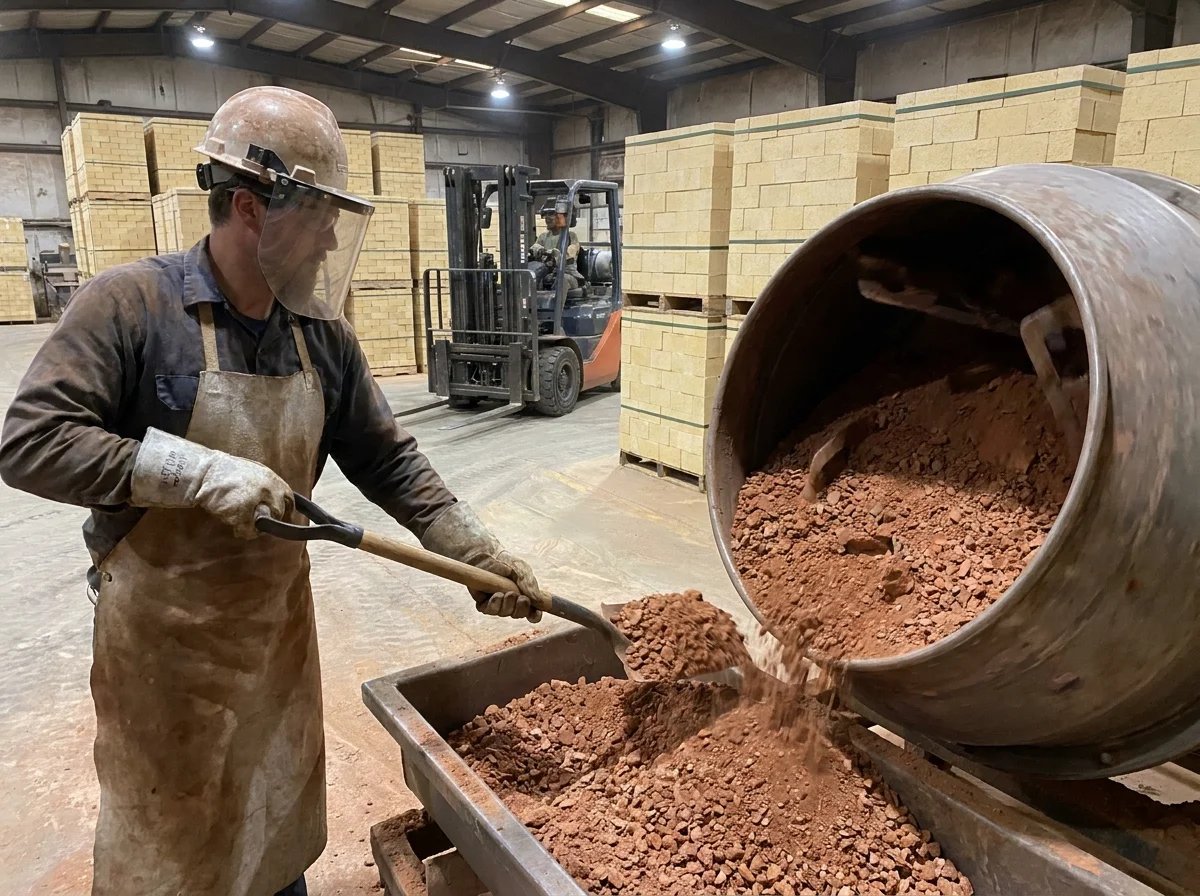
The same deposit can be supplied as run-of-mine lump, crushed and screened fractions, washed material or dried product. Daa Minerals says sorting, sizing, crushing, washing, drying and packaging may be coordinated where suitable sources and providers are available, so confirm preparation capability for each form you need. Washing and drying can lower silica contamination and moisture, which affects value to the buyer.
Export Markets and Expectations
Daa Minerals' profile lists China, India, the UAE, Bahrain, Saudi Arabia and the European Union as target markets for bauxite, and its global markets page discusses construction minerals and industrial inputs for the Middle East and bulk or project-led enquiries from Africa and emerging markets. These are target and enquiry areas rather than confirmed volumes. Each market has its own documentation and regulatory expectations, so check your authorities' requirements before you finalise the specification.
Matching the Ore to Your Process
A sound purchase links three things: the ore's chemistry, your process tolerance and your market's requirements. Write down your alumina range, silica and iron ceilings, moisture limit, size range and documents required. Compare those figures with an independent laboratory report from a representative sample before negotiating quantity or price.
Discuss Your Specification
Pakistani bauxite will not suit every process, but for buyers whose requirements fit its profile it can be a worthwhile origin to evaluate. Review the Daa Minerals bauxite ore page and send your requirement through the enquiry form, including target grade, impurity limits, material form, application and destination.