
Antimony Ore from Pakistan: Quality, Grades, Uses and Applications
"Antimony ore" can mean several different materials. It might be run-of-mine rock with a few percent antimony, hand-sorted lump, a flotation concentrate or a processed feedstock. Each serves different buyers, and the single percentage printed on a price list rarely tells you which one you are looking at. This article explains what Pakistani antimony ore is, how quality should be judged, which industries use antimony and how to match the material to your process.
It is published on DaaTrade and points readers to Daa Minerals Limited, which lists antimony ore among its ten mineral product categories.
The Mineral Behind the Ore
The chief antimony mineral is stibnite, an antimony sulphide (Sb2S3). A PCSIR study on Chitral stibnite describes stibnite as the main source of antimony metal. It reports that low-grade ore was upgraded by flotation to a concentrate of 62% antimony with 95% recovery. The example shows both the opportunity and the challenge: much natural ore is lean and needs beneficiation to become attractive to smelters.
The theoretical antimony content of pure stibnite is about 71.7%. Real concentrates fall below that, because they contain gangue minerals such as quartz and other sulphides.
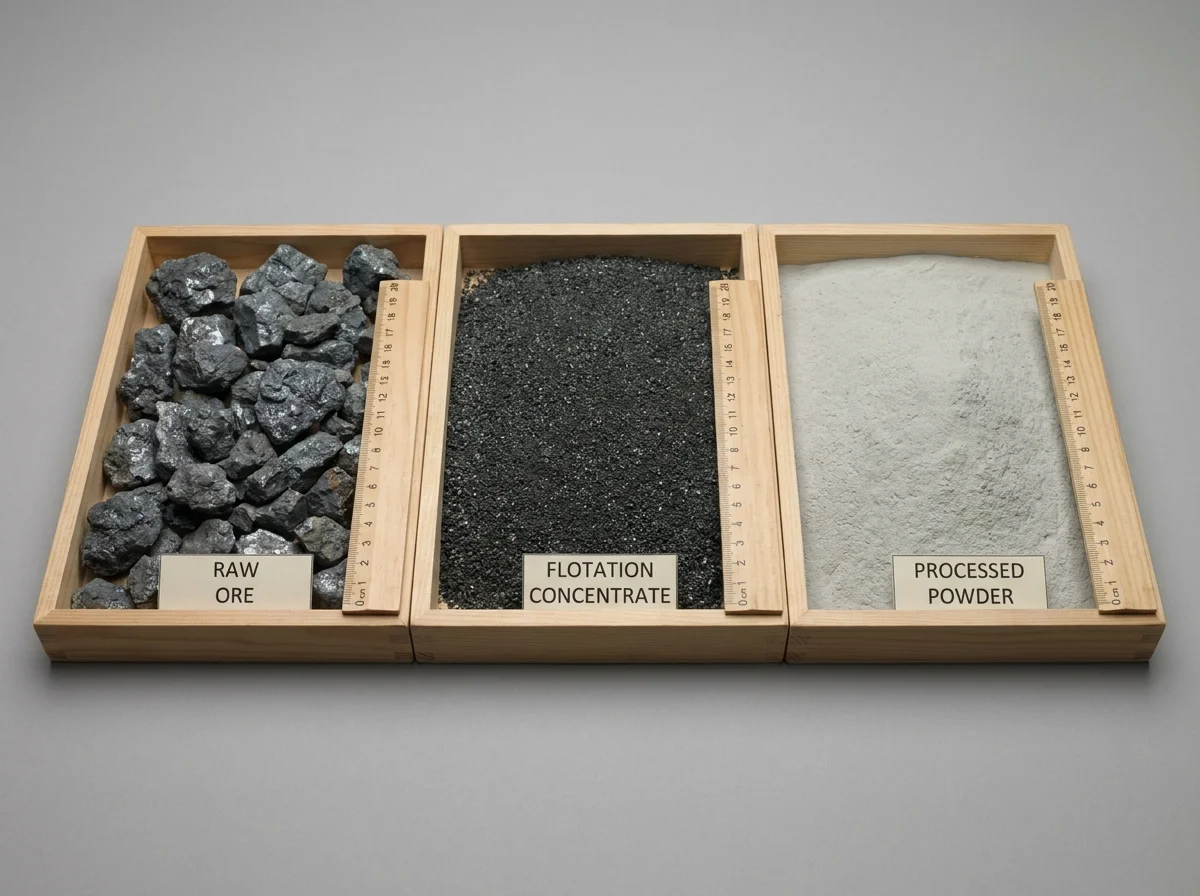
Grade: Ore, Concentrate and Processed Material
When you read a grade claim, first identify the product type:
Run-of-mine or hand-sorted ore, typically lower in antimony and higher in waste rock
Flotation or gravity concentrate, with a higher antimony content and tighter specification
Processed material, prepared to a buyer's specification
Daa Minerals' company profile lists antimony ore purity as up to 94% with processing, while its website frames the Sb profile as buyer-defined and subject to source review. Because stibnite cannot exceed about 71.7% antimony, ask whether the figure refers to Sb2S3 content or another parameter, and which lot and test method it applies to. Treat it as an indicative target rather than a guarantee.
The Quality Parameters That Matter
Antimony content is only the starting point. Smelters and processors also care about:
Arsenic and lead, which can trigger penalties or limit use
Iron, sulphur and other associated minerals
Moisture, which affects weight, handling and freight economics
Particle size, which affects feeding and reaction behaviour
Consistency from lot to lot
Specify limits for each parameter in your enquiry and require an independent laboratory report. Daa Minerals notes that antimony enquiries are discussed around grade, mineral form, impurities, sizing and third-party verification, and that reports remain attributable to their issuing provider.
Where Antimony Is Used
Daa Minerals' company materials list batteries, flame retardants, semiconductors and defence as applications, and its website refers to alloys, batteries and industrial chemicals. Ore is rarely used directly; it is converted by smelters and chemical processors into metal and compounds that feed these industries.
Flame retardants
Antimony trioxide is widely used as a synergist with halogenated flame retardants in plastics, textiles and electrical equipment. Buyers in this chain are typically chemical processors who need ore or concentrate with controlled impurities.
Batteries and alloys
Antimony hardens lead in lead-acid battery alloys. The USGS Mineral Commodity Summaries 2026 notes that secondary antimony production is tied to the battery industry, highlighting how closely the metal's demand is linked to battery recycling and manufacturing.
Electronics and defence
High-purity antimony compounds are used in semiconductors and certain defence applications. These users require highly refined material, so they buy from specialist processors rather than directly from ore exporters, and they usually have strict end-use and traceability requirements.
Processing: From Ore to Product
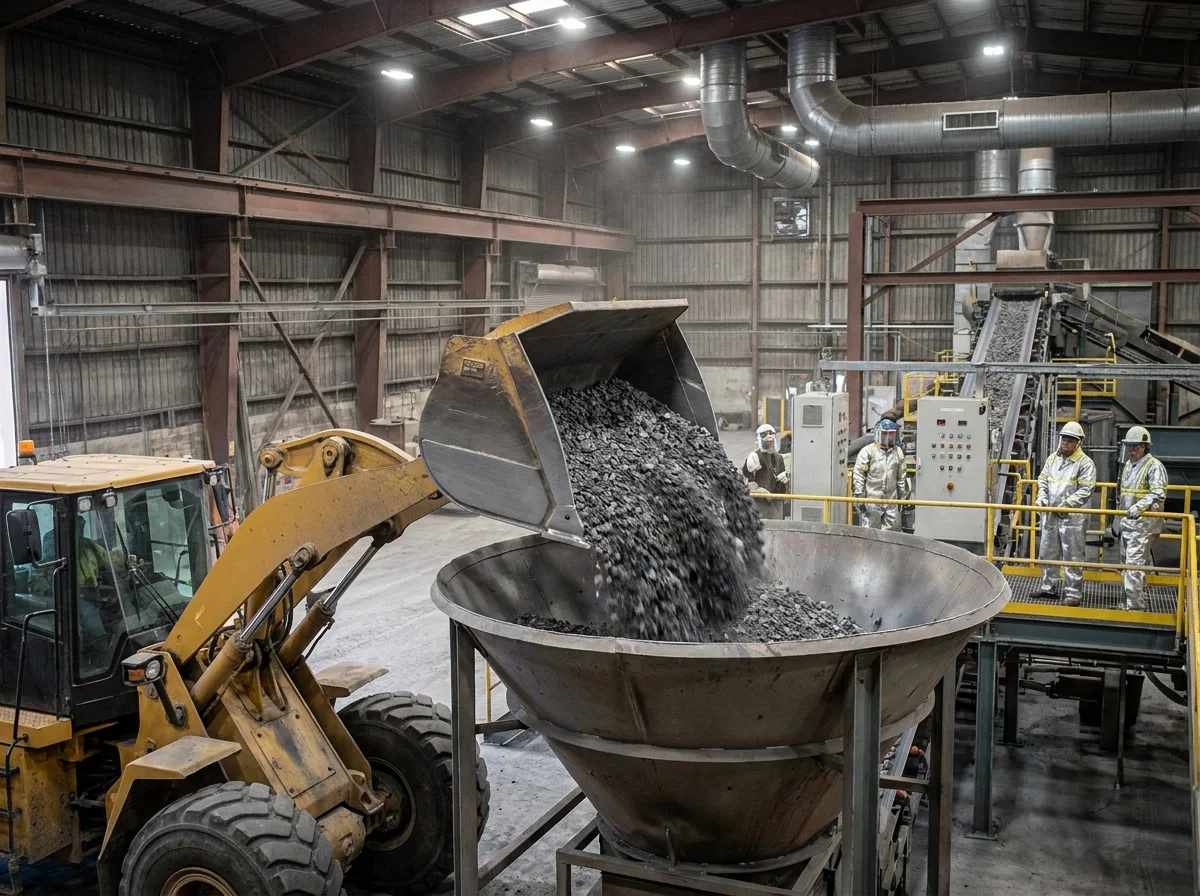
Because processing capacity is concentrated in a few countries, a buyer should ask where Pakistani ore would be processed. The FT report summarised by Profit says Pakistan largely remains at the raw-material stage, with limited domestic refining. For most buyers, then, Pakistani material is a feedstock to be smelted or chemically processed elsewhere.
Export Markets and Their Expectations
Daa Minerals' profile lists China, Japan, South Korea, the United States and the European Union as target markets for antimony ore. These are target markets rather than confirmed trade volumes, and each brings its own expectations on documentation, end use and chemical regulation. Check what your authorities require before finalising a specification, including rules on hazardous substances and any trade controls on strategic minerals.
Matching the Ore to Your Process
A sound purchasing decision links three things: the chemistry of the ore, the tolerance of your process and the rules of your market. Write down the antimony range you need, your ceilings for arsenic and lead, the form and size your process accepts and the documents your authorities require. Compare those figures with laboratory data from a sample before you discuss quantity or price. If they do not align, no commercial concession will fix the mismatch.
Discuss Your Specification
Pakistani antimony ore will not suit every plant, but for buyers with the right process, it can be a worthwhile origin to evaluate. Review the Daa Minerals antimony ore profile, then submit your requirement with your target grade, impurity limits, material form, application and destination. Daa Minerals can review it against available sources and testing options, subject to written agreement.