
How to Import Rock Phosphate from Pakistan: A Step-by-Step Guide for Buyers
Importing rock phosphate from Pakistan is a manageable process once you break it into stages. The risks come from skipping steps: committing to a grade you have not tested, agreeing delivery terms you do not fully understand, or discovering at the port that a document is missing. This guide, published on DaaTrade, sets out a practical sequence that importers, fertilizer producers and traders can follow from first enquiry to cargo receipt.
Details differ between destination countries, so treat each step as a prompt to check your own rules rather than as legal advice.
Step 1: Define Your Requirement Precisely
Start with your own plant or customer, not with the supplier. Write down the P2O5 range you need, the impurity limits you cannot exceed (typically magnesium, iron, aluminium, silica, fluorine and cadmium), the material form and particle size your process accepts, the moisture ceiling, and the quantity and frequency you intend to buy. Daa Minerals' rock phosphate page lists an indicative 24 to 28 percent P2O5 profile and invites buyers to define target specifications, application, quantity and destination from the outset. Having those answers ready saves several rounds of correspondence.
Step 2: Check Import Rules in Your Own Country
Before you source, find out what your authorities require for phosphate rock or fertilizer raw materials. Ask whether an import permit, product registration, laboratory analysis certificate, or customs pre-notification applies, which duties and taxes are payable and whether any trace-element limits constrain the material you can accept. In the European Union, for example, phosphate fertilizers face a cadmium limit of 60 mg per kg of P2O5 under Regulation (EU) 2019/1009, which can influence what raw material a producer is willing to buy. Your customs broker or fertilizer regulator can confirm what applies to you. The product is commonly classified under the customs heading for natural calcium phosphates, but confirm the exact tariff code with your broker.
Step 3: Shortlist Suppliers and Send a Complete Enquiry
Approach more than one supplier and send each the same enquiry so the responses can be compared. Include the mineral, grade or quality profile, quantity, material form, packaging and destination, which is the information Daa Minerals requests on its enquiry page. Ask each supplier to explain its role in the supply, whether miner, processor, trader or coordinator, and where the material would come from. Daa Minerals describes its own role as sourcing and export coordination, working within a written commercial scope.
Step 4: Obtain and Test Samples
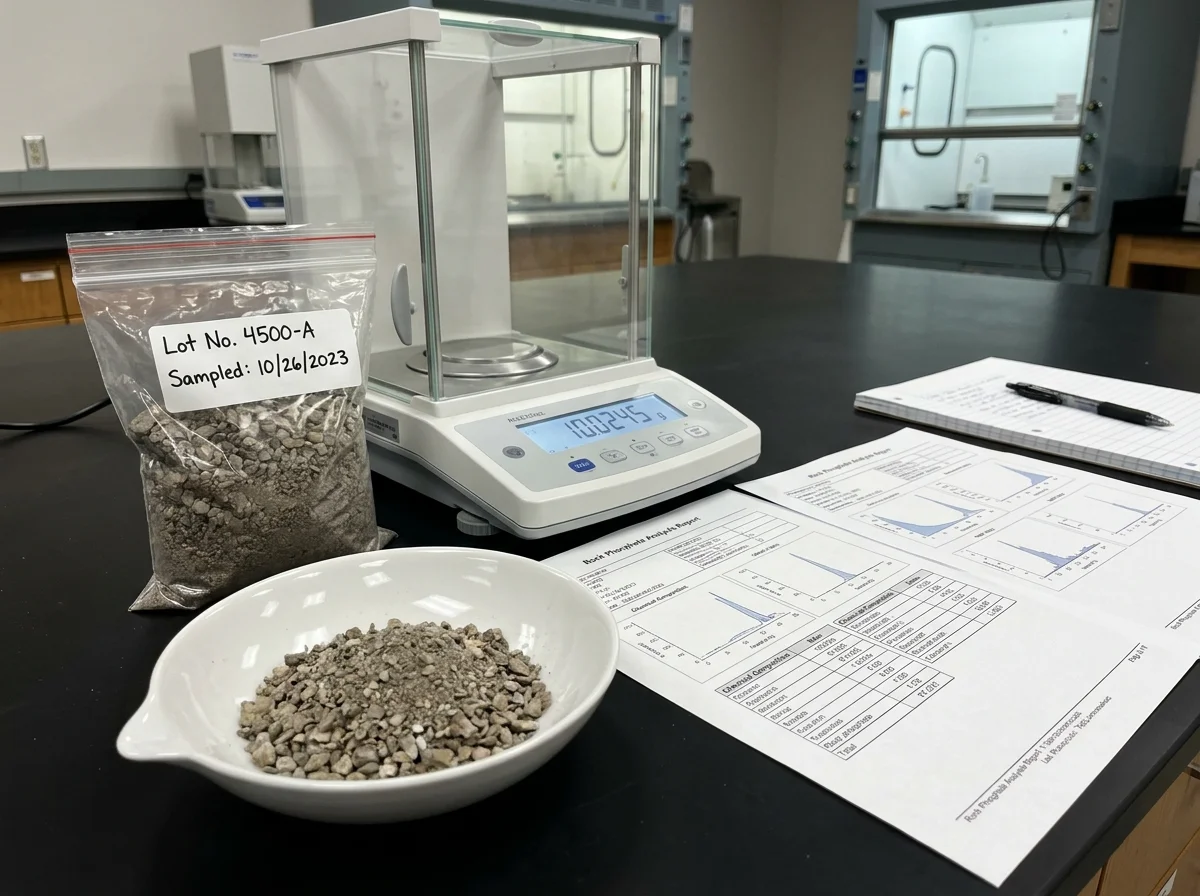
Request a sample that represents the lot you would actually receive, and have it analysed by an independent laboratory you trust. Specify the parameters and test methods in advance. Daa Minerals says third-party testing or independent inspection can be coordinated when requested and agreed, and its quality and certifications page refers to laboratory testing, batch review and export documentation. Whatever route you choose, keep a sealed counter-sample so you can resolve any later dispute objectively.
Step 5: Agree the Commercial Terms in Writing
Once the sample matches your requirements, negotiate the contract. The essential points are the specification with tolerances, quantity and permitted variation, packaging and marking, the delivery term (ex-works, free on board or a delivered term), the named port, the price and its basis, the payment structure, the inspection point and the remedy if the cargo falls short of the specification. Daa Minerals is open about the fact that availability, grade, preparation, pricing and shipment timing remain subject to source review, buyer approval and written agreement, so make sure the final contract replaces those general statements with specific commitments.
Step 6: Arrange Payment Securely
Choose a payment method that balances trust and protection for both sides. Documentary payment arrangements and staged payments linked to testing or loading milestones are common in mineral trades, and your bank can advise on the structures it supports. Whichever method you use, tie payment release to documents or inspection results that prove the cargo meets the contract, and confirm in advance which party handles currency and bank charges. Exporters in Pakistan must follow State Bank requirements on export proceeds, set out in the foreign exchange manual, so involve your bank early.
Step 7: Plan Packaging, Loading and Shipping
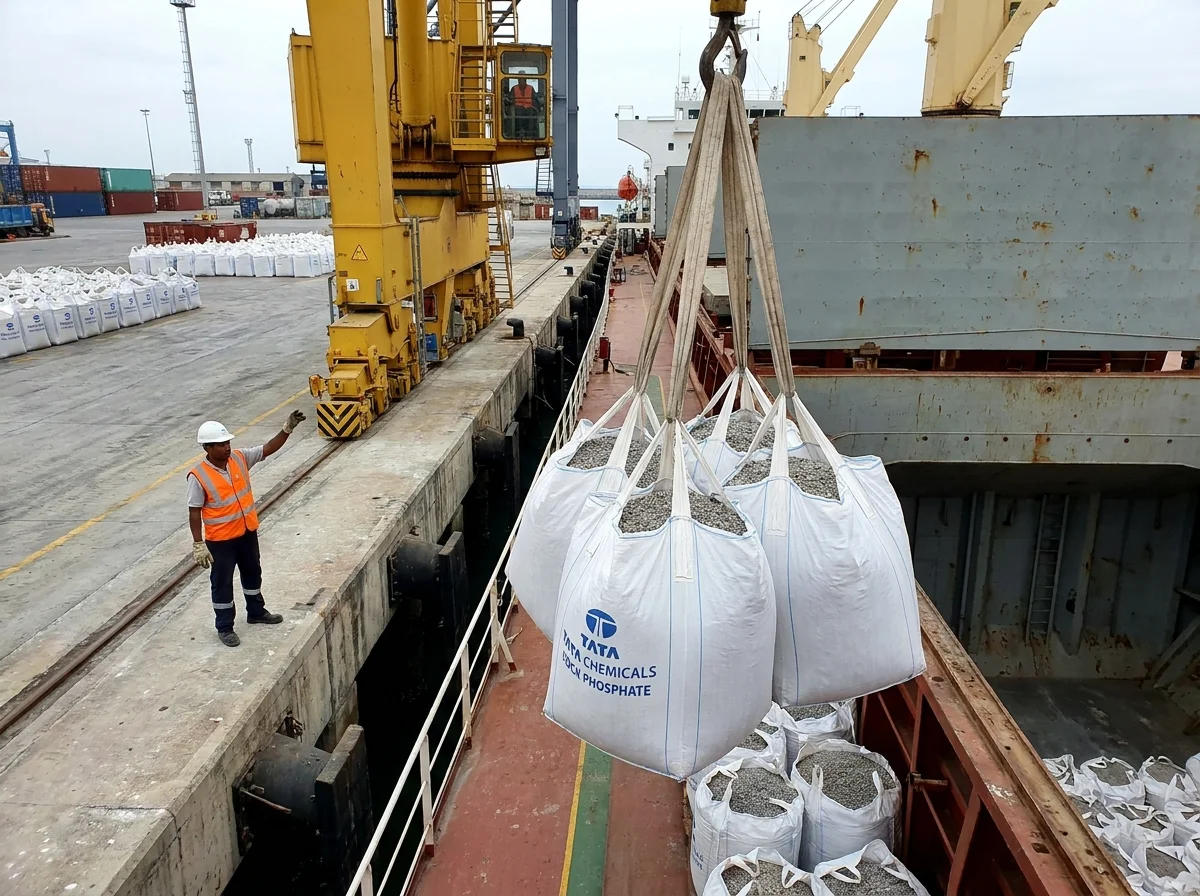
Decide whether the cargo will travel in bags, containers or bulk. Packaging should be confirmed before preparation begins, because format, weight, marking and lot identification affect both handling and traceability. Daa Minerals mentions Karachi, Port Qasim and Gwadar as port options that may be reviewed, subject to cargo type, carrier service and route availability, and it states that it does not own or control those facilities.
If the shipment is a bulk vessel cargo, the carrier and shipper must follow the safety requirements in the IMO's IMSBC Code, which covers stowage, trimming and cargo information for solid bulk cargoes. Ask the supplier and the shipping line how those requirements will be met for your cargo.
Step 8: Collect the Right Documents
A well-organised document set prevents delays at both ends. Expect at least a commercial invoice, packing list, bill of lading and certificate of origin, together with the quality certificate or laboratory report agreed in your contract. Daa Minerals lists certificates of origin, quality certificates, bills of lading and export documentation among the paperwork it coordinates within the agreed scope. On the Pakistani side, exporters work within the registration and customs processes described in the TDAP guide for new exporters. Ask for draft documents before shipment so you can check names, quantities, descriptions and dates against your contract and your letter of credit terms, if one is used.
Step 9: Inspect Before Shipment
Independent inspection at loading is the best protection against surprises. An inspector can verify quantity, sample the cargo according to an agreed procedure, check packaging and issue a report. As Daa Minerals points out, such reports remain attributable to the provider that issues them, and final technical suitability remains the buyer's decision. Agree who appoints the inspector, who pays and which results trigger acceptance or rejection.
Step 10: Clear Customs and Verify on Arrival
When the vessel or container arrives, your broker presents the documents to customs, pays any duties and taxes and arranges inland delivery. Take samples at discharge or delivery and compare the results with the pre-shipment report and your specification. If there is a discrepancy, notify the supplier promptly and follow the dispute process in your contract, using your retained counter-sample where needed.
Common Mistakes to Avoid
• Buying on an indicative grade without independent testing
• Comparing quotations that use different delivery terms or testing scopes
• Paying in full before inspection or document verification
• Overlooking trace-element limits in the destination market
• Leaving packaging, marking and lot identification to be settled at the last minute
Begin Your Import with a Clear Requirement
A careful import programme starts long before the vessel sails: with a clear specification, verified samples and a written contract. If you are ready to explore Pakistani rock phosphate, review the Daa Minerals rock phosphate profile and contact Daa Minerals with your requirement, including grade, quantity, packaging and destination. The team can review your enquiry against available sources, preparation options and verification support, and you can take it from there with confidence