
Pakistani Rock Phosphate Ore: Grades, Applications and Export Destinations
Rock phosphate ore is often described by a single number, its P2O5 percentage, but anyone who has bought it knows the number is only the beginning. Impurities, particle size, moisture and the intended use all decide whether a cargo is a good match for a plant. This article looks at Pakistani rock phosphate ore through that practical lens: what it is, how it is graded, where it is used and which export markets buyers should keep in mind.
It is published on DaaTrade as part of a wider set of sourcing guides, and it points readers to Daa Minerals Limited, which lists rock phosphate among its ten mineral product categories.
What the Ore Actually Is
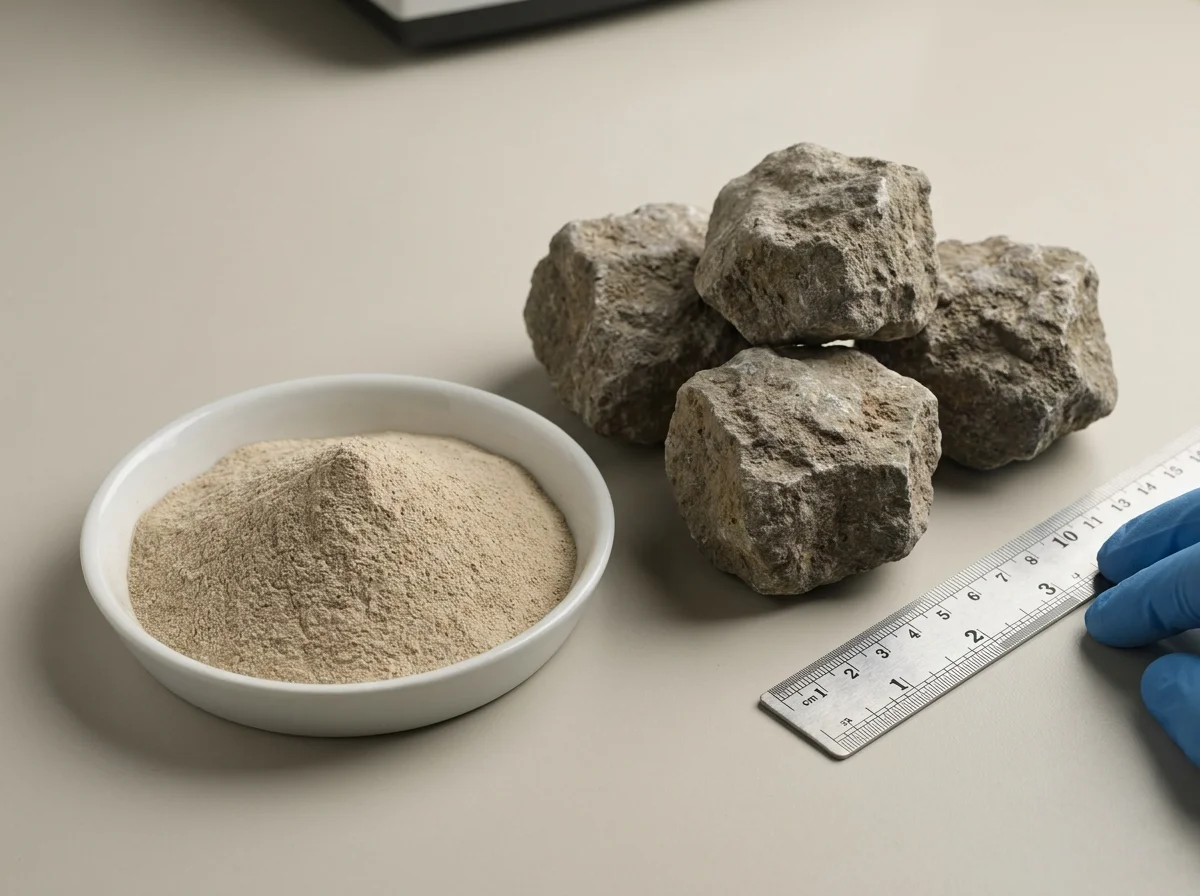
Phosphate rock is a sedimentary or igneous rock rich in phosphate minerals, most commonly apatite. In Pakistan's Hazara deposits, a PCSIR study of petrographic and geochemical characteristics found that fluorapatite is abundant in all the samples examined, with quartz, calcite, dolomite, feldspar, illite and hematite present as minor phases. That mineral mix explains why Pakistani ore can carry meaningful amounts of magnesium, silica and iron alongside its phosphate, and why beneficiation or careful selection is part of the conversation.
Reading Grades Sensibly
A widely used classification, repeated in a PCSIR paper on Kakul phosphate rock, treats 16 to 24 percent P2O5 as furnace grade, 25 to 31 percent as fertilizer grade and anything above 31 percent as acid grade. Against that scale, the Daa Minerals rock phosphate profile offers an indicative 24 to 28 percent P2O5. The company stresses that this is a starting reference and not a guaranteed specification, which is the right way to treat any indicative figure for a natural mineral.
Two practical consequences follow. First, buyers who need acid-grade feedstock should test any Pakistani lot with great care before assuming it fits their process. Second, buyers who can work with medium-grade rock, such as certain fertilizer producers who blend, grind or acidulate locally, may find the range worth evaluating. The Geological Survey of Pakistan's assessment of Abbottabad-area deposits puts natural P2O5 in the 12 to 25 percent range for newly described occurrences, a reminder that grade varies significantly between localities.
The Impurities That Decide Suitability
Two ores with the same P2O5 can behave very differently once they reach a plant. These are the parameters worth specifying in any enquiry:
• Magnesium oxide, which can complicate acid processing
• Iron and aluminium oxides, which affect acidulation and the quality of the finished product
• Silica and insoluble matter, which dilute the phosphate content
• Fluorine, relevant to both processing and end-use limits
• Cadmium and other trace elements, relevant to regulated markets
• Moisture, which affects handling, weight and freight economics
Daa Minerals' product page reflects this, noting that enquiries are assessed around target P2O5 content, associated chemistry, material form, sizing, quantity, application and destination. Buyers should supply their own limits for each parameter rather than waiting for the supplier to propose them.
Where Rock Phosphate Ore Is Used
The product page names fertilizer, animal feed and chemical processing as possible discussion contexts, and the company's market focus lists fertilizer manufacturers using phosphate inputs among its core audiences. Here is how those uses usually look in practice.
Fertilizer manufacturing
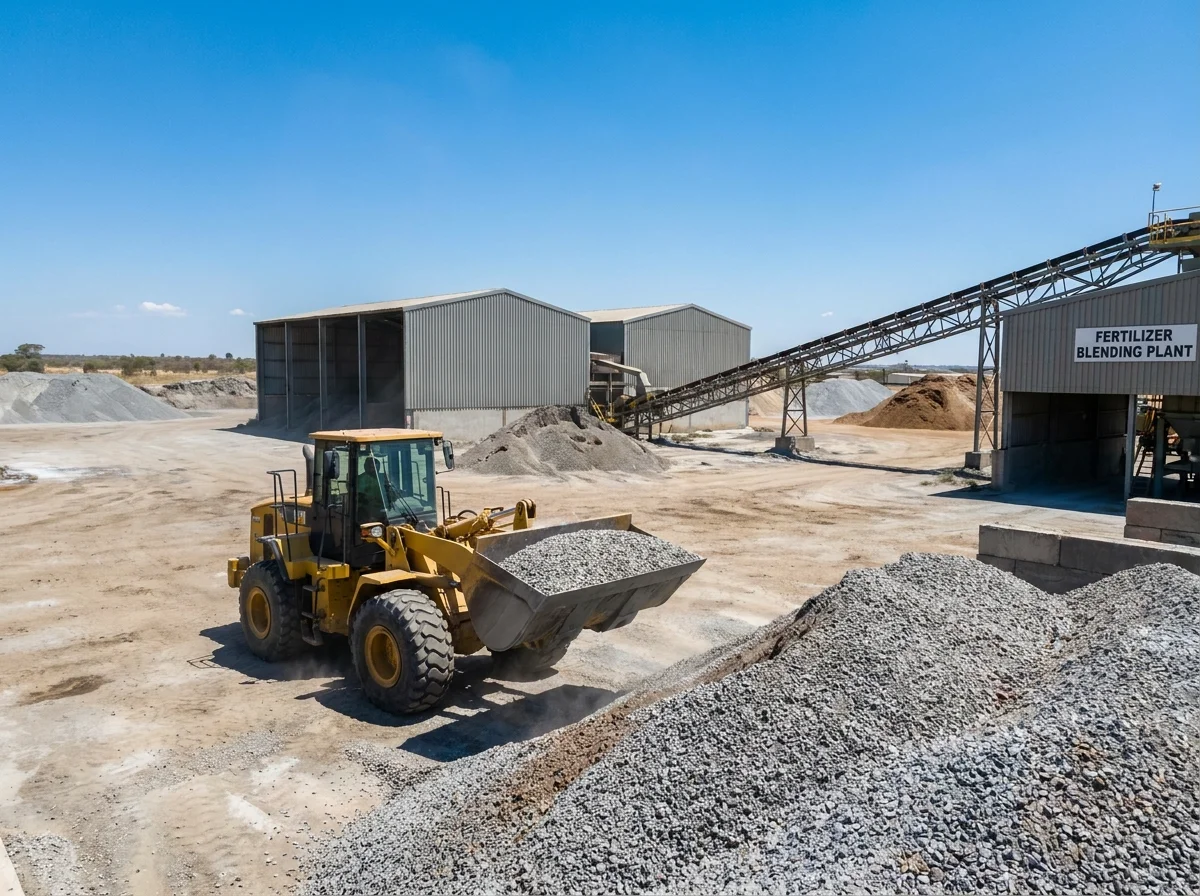
This is the dominant outlet. Phosphate rock is acidulated to make single superphosphate and other phosphate fertilizers, or ground and used in certain direct-application settings. Pakistan's own Hazara project is a useful example: Dawn reports that the integrated Kakul mining project was set up in 1985 to feed a single superphosphate plant designed to produce 90,000 tonnes of granulated product a year from local phosphate rock.
Chemical processing
Chemical producers use phosphate rock as a starting material for phosphoric acid and other phosphorus compounds. These users tend to be the strictest about grade and impurities, so they usually require independent laboratory results before agreeing to a trial.
Animal feed
Feed applications deserve extra caution. Feed-grade phosphates generally face tighter limits on fluorine and heavy metals than fertilizer materials, so a buyer in this segment should confirm with its own nutritionists and regulators whether a given ore, and the processing route applied to it, meets the relevant feed standards. The product page is explicit that application fit must be confirmed by the buyer.
Material Form and Preparation
The same ore can be supplied as run-of-mine lumps, crushed and screened fractions or ground powder. The right choice depends on how your plant feeds material: some acidulation lines need fine grinding, while blending operations may prefer a coarser product. Daa Minerals says sorting, sizing, grinding and packaging can be coordinated where suitable facilities and providers are available, which means preparation capability should be confirmed for each source and each form you need.
Export Markets and What They Expect
Daa Minerals' company profile lists China, Japan, South Korea, the United States and the European Union as target markets for rock phosphate, and its global markets page also discusses agriculture-related enquiries from the Middle East and bulk or project-led enquiries from Africa and emerging markets. These are target and enquiry areas rather than confirmed trade volumes, and the company says so itself.
Each destination brings its own expectations. The European Union is the clearest example: Regulation (EU) 2019/1009 caps cadmium in phosphate fertilizers at 60 mg per kg of P2O5, which pushes European fertilizer makers to examine trace elements in their phosphate raw materials closely. Buyers in other markets may focus on moisture, particle size or registration requirements for fertilizer inputs. Whatever your destination, ask your own authorities which parameters and documents apply before you finalise a specification.
Aligning Ore, Process and Market
A sound purchase decision links three things: the ore's chemistry, your process and your market's rules. Write down the grade you need, the impurity ceilings your plant tolerates, the particle size it accepts and the regulatory limits at your destination. Compare those requirements with laboratory data from a sample before negotiating on quantity or price. If the numbers do not line up, no commercial concession will fix the mismatch.
Start a Rock Phosphate Conversation
Pakistani rock phosphate ore will not suit every process, but for buyers whose requirements fall within a medium-grade range, it can be a worthwhile origin to evaluate. To discuss your specification, review the Daa Minerals rock phosphate page and send your requirement through the enquiry form, including your target grade, material form, intended application and destination. Daa Minerals can then review the requirement against available sources and testing options.